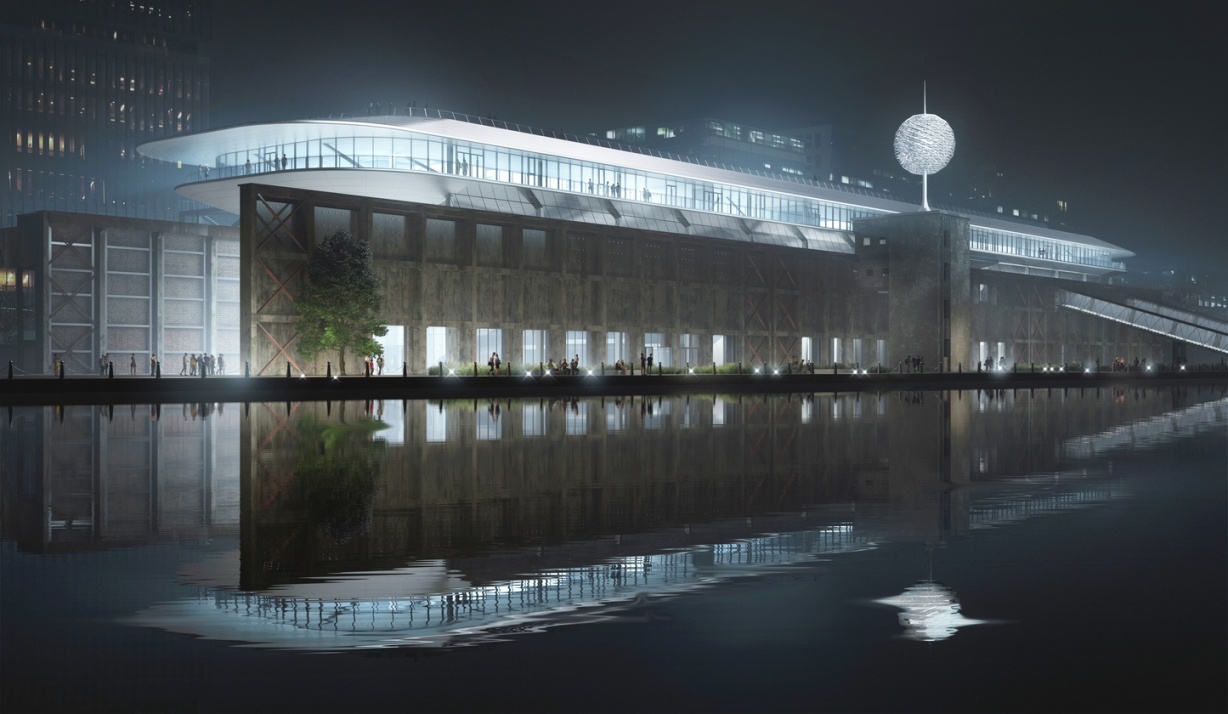
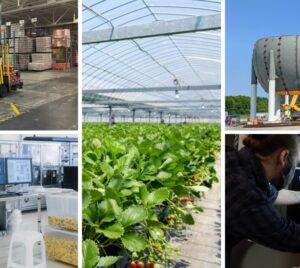
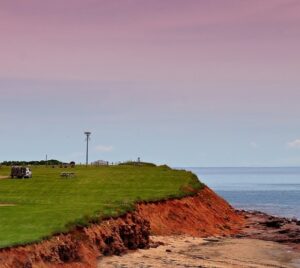
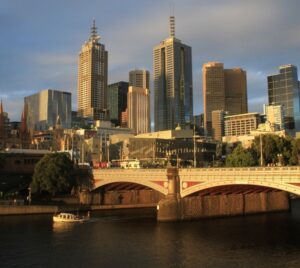
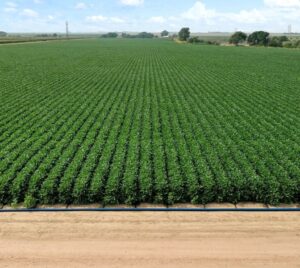
Feature Article An urban waterfront will be revitalized and industrial heritage preserved as old cement factory becomes “floating ark” public park Current News GUEST ARTICLE — With downtowns dying from excess office space, these five key design considerations help convert it to residentialBeautiful rebuild of old train station will reconnect historic downtown to prioritize greenspace, transit & pedestrians over carsRemediation of this toxic 25-acre Australian mine–opened 140 years ago–has begun. Will include preservation of historic buildings.This revitalizing new district is redeveloping downtown Kiev, revealing a sustainable, resilient future for Ukraine reconstruction$2 billion investment supports community-driven projects that boost climate resilience, clean energy, and environmental justiceHousing redeveloper wins funds to revitalize blighted properties and repurpose them for residences in Pottsdown, PennsylvaniaIn Wisconsin, a blighted former dry cleaning site–vacant for a decade due to suspected contamination–will finally come back to life$3.2 million investment from Washington State Community Economic Revitalization Board to help revive commerce in 3 countiesThis $10.5 million creates 630 jobs removing plastic and derelict boats from 870 miles of beaches to grow local restoration economyGovernor awards 101 communities $23 million for equitable economic, environmental, recreational, and waterfront revitalizationCanada’s Prince Edward Island budgets $1.3 billion for community revitalization and sustainable infrastructure renovationGlobal Climate Restoration: Here are five ways we can retrofit entire cities to advance a decarbonized, revitalized future for allPepsiCo’s “Positive Agriculture Outcomes” program adds eight new innovation projects to boost resilient, regenerative agricultureEcological restoration helps heal the land, and hearts, at site of genocidal massacre of 500 Native Americans by U.S. Army in IdahoUnique public-private partnership completes renovation of an affordable senior housing complex in Chicago near the Obama LibraryClimate Restoration: Strategic application of calcium soil amendments can boost carbon sequestration, and increase farm yieldsRestoration Economy: PG&E to remove two deadly dams that have blocked fish migration in a California river for over a centuryMayor asks for $574 million to help city build 76,000 affordable homes without sprawl via intelligent brownfield redevelopmentCommunities all across the U.S. enjoy another $6 billion in investments to restore natural resources and boost their climate resilienceOne of America’s best affordable housing, community revitalization, and neighborhood redevelopment programs just got even betterNorth Carolina firm wins $1 million for climate tech that measures economic value of carbon in restored coastal wetlands148,000 Utah acres ecologically restored through the state’s “Watershed Restoration Initiative” partnership in just one yearRestoration Economy: An expanding family-owned South Carolina business “Carpenters Woodworks & Restoration” adds 20 new jobsIn California, 37 habitat restoration and resilience projects win $116.6 million to benefit local wildlife, tribes and youthU.S. floods cost $200 billion in 2 years. This bipartisan legislation would boost resilience via learning-based disaster response.Havre de Grace, Maryland wins $2,505,500 for infrastructure renovations that will boost resilience and help restore Chesapeake BayMassive 10-block redevelopment project in the East Downtown of Houston to create mixed-use district with new green space30 resilient, restorative projects in 11 U.S. states win $55 million to regenerate their watershed and ecosystem healthVillage on Long Island completes all six projects designed to revitalize its downtown via transit-oriented redevelopmentSeven organizations in Illinois win $667,000 to advance wildlife habitat restoration on both public and private properties